







The world of esports is a vibrant tapestry woven from various threads of culture, tradition, and community. As the competitive gaming scene expands globally, it becomes increasingly clear that regional influences play a significant role in shaping the genres that players gravitate towards. Different cultures bring unique perspectives and preferences, impacting everything from game mechanics to player engagement. Let’s dive into how regional culture influences esports genres in diverse ways.
How Regional Flavor Shapes Esports Game Choices
In different corners of the world, gaming preferences can often reflect local tastes, interests, and societal norms. For instance, in South Korea, real-time strategy games like "StarCraft" have been elevated to a national pastime, thanks to the country’s deep-rooted respect for strategy and tactical thinking. The esports scene here is not just about competition but also about celebration, with massive viewing parties and dedicated fanbases transforming these games into cultural phenomena. Similarly, in North America, first-person shooters like "Call of Duty" and "Counter-Strike" dominate due to the region’s affinity for fast-paced, high-energy gameplay that aligns with the area’s sporting culture.
Europe also showcases a fascinating mix of preferences influenced by its diverse cultures. In countries like Sweden, where social gaming is a common pastime, multiplayer online battle arena (MOBA) games like "Dota 2" and "League of Legends" have gained immense popularity. The cooperative and strategic nature of these games resonates well with Scandinavian values of teamwork and collaboration. Thus, the regional flavor can heavily tilt the scales toward certain genres, creating a rich variety in the global esports landscape.
Furthermore, the rise of mobile gaming has also shaped regional preferences. In Asia, particularly in countries like China and India, mobile esports titles like "PUBG Mobile" and "Arena of Valor" have surged due to the accessibility of smartphones and the mobile internet. These games not only cater to the younger demographic but also fit into the on-the-go lifestyle that many urban dwellers lead. This shift highlights how regional factors influence not only what games are played but also how they are consumed.
The Role of Local Traditions in Game Popularity
Local traditions can dramatically influence the popularity of certain esports genres. For example, in Japan, traditional games like "Go" and "Shogi" have long been regarded as intellectual pursuits. This rich history has paved the way for games that emphasize strategy and foresight, such as "League of Legends," which has a significant following in the region. The cultural appreciation for intellectual challenges makes such games more appealing, as players relate them to their historical pastimes.
In addition to traditional games, the influence of local festivals and events cannot be overlooked. Many regions host gaming conventions where local culture and gaming intersect beautifully. For instance, in the Philippines, local esports tournaments often coincide with traditional fiestas, merging Filipino culture with the competitive spirit of gaming. This unique blend attracts a wide range of participants and spectators, ensuring that local traditions remain alive and influential in shaping what games are popular.
Moreover, the impact of language and storytelling traditions plays a vital role as well. In regions that emphasize narrative and folklore, games that incorporate rich storytelling elements tend to thrive. Games like "Final Fantasy" and "The Legend of Zelda" not only engage players but also echo local storytelling traditions, reinforcing cultural connections and enhancing popularity among the community.
Competitive Spirit: Culture’s Impact on Player Styles
When it comes to competitive spirit, culture has a profound effect on player styles and behaviors. In regions where competition is celebrated, such as the United States, players often adopt a more aggressive and fast-paced approach. This mentality often stems from the cultural significance of sports and competition in American society. Esports athletes from this region tend to prioritize individual skill and performance, showcasing their abilities in a more outspoken and boisterous manner.
Conversely, in cultures that value humility and teamwork, like many in East Asia, player styles might lean towards collaboration and strategy. In South Korea, for instance, players often emphasize the importance of team dynamics and communication. Here, the competitive spirit is less about individual accolades and more about the collective success of the team. This cultural emphasis on harmony influences how players train, strategize, and perform in tournaments.
The impact of cultural background can also influence the emotional expression of players during competitions. In more expressive cultures, players may vocalize their feelings openly, exhibiting excitement or frustration, while in others, a more stoic demeanor is maintained. This difference in emotional engagement can affect not only the players’ performances but also how fans connect with their favorite teams or players, further blending cultural significance with competitive gaming.
From Casual to Competitive: Regional Gaming Trends
The pathway from casual gaming to competitive esports often reflects regional trends influenced by local culture. In Western countries, casual gaming has seen a significant rise with the advent of platforms like Twitch and YouTube, where gameplay can be shared and celebrated. This trend has led many players to transition from casual play to competitive gaming, inspired by local influencers and community leaders. The result is a burgeoning esports scene where casual players are motivated to improve their skills and compete professionally.
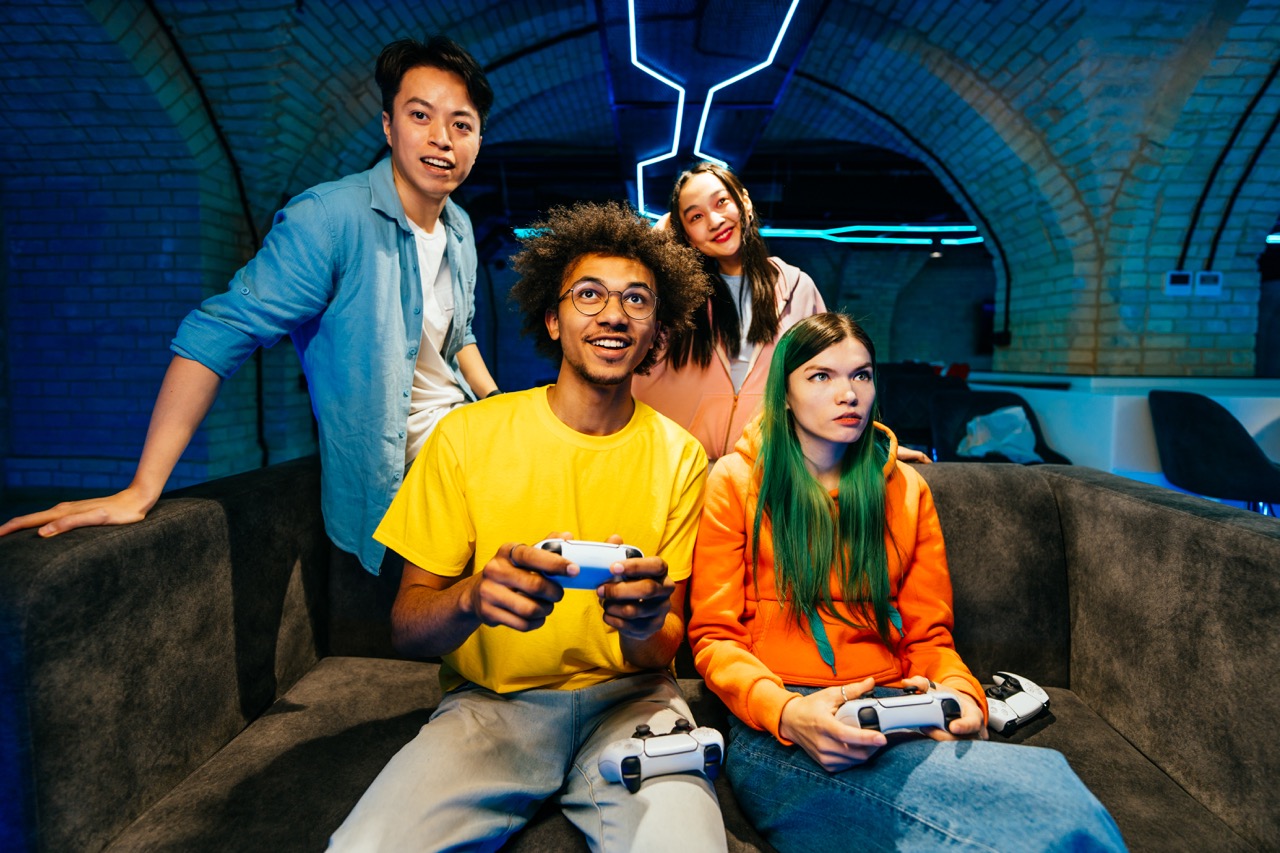
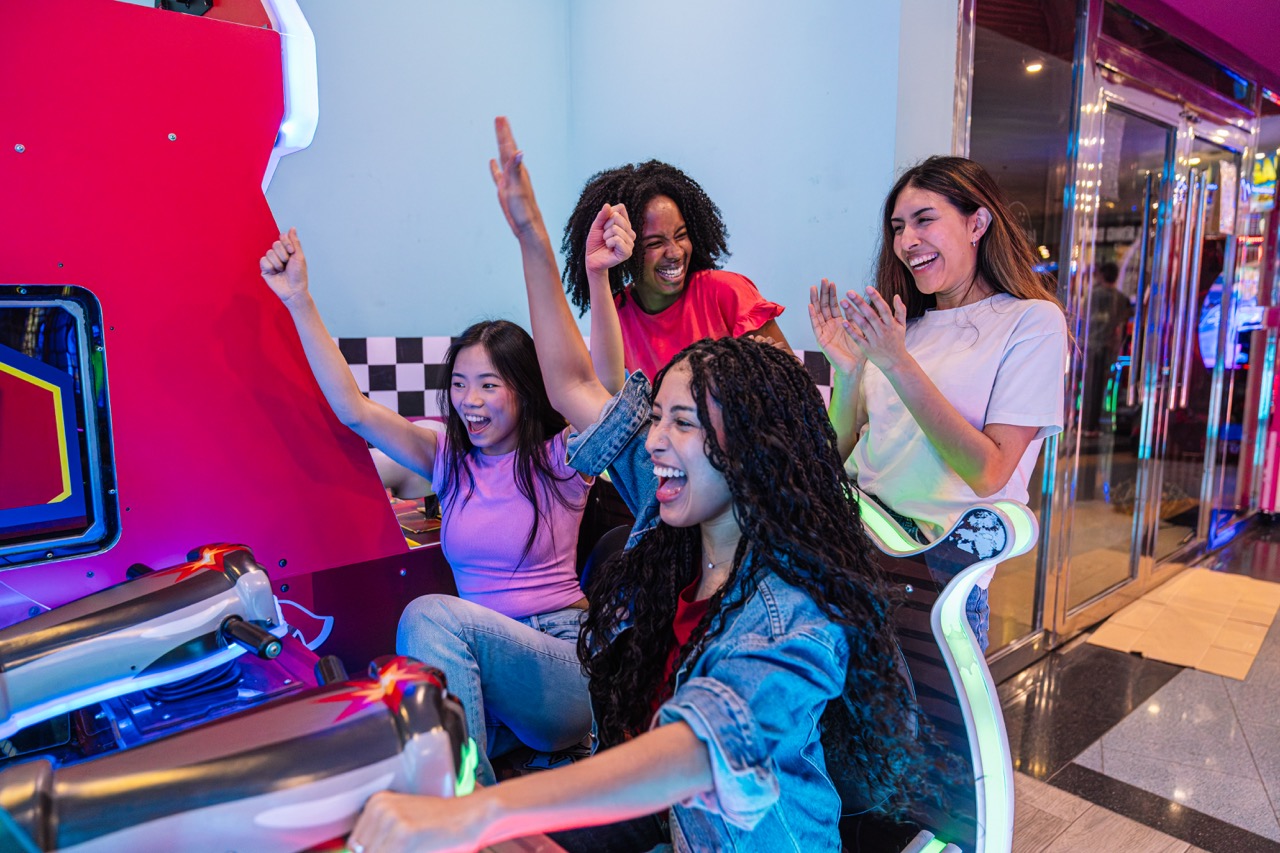
In contrast, in regions like Southeast Asia, the transition from casual to competitive gaming often hinges on community-driven events. Here, gaming cafes serve as community hubs where players can gather, play, and hone their skills in a less formal setting. These spaces not only promote casual gaming but also act as incubators for aspiring esports athletes, offering an environment where they can transition into more competitive realms through local tournaments and leagues.
Additionally, this journey is often influenced by the availability of resources and infrastructure. In some regions, robust support systems—such as coaching, training facilities, and sponsorships—make it easier for players to advance their skills and compete at a higher level. This disparity can create stark contrasts in esports development, with some regions rapidly advancing while others may lag behind, showcasing how regional culture and socioeconomic factors intertwine to shape the esports landscape.
In conclusion, the influence of regional culture on esports genres is a fascinating exploration of how local traditions, competitive spirit, and gaming trends converge to shape the games we play and the way we play them. Whether it’s the strategic depth appreciated in South Korea, the narrative-driven titles beloved in Japan, or the community-centric gaming culture in Southeast Asia, the unique flavors of each region contribute to a rich, diverse esports ecosystem. As the global gaming scene continues to evolve, understanding these cultural influences will only enhance our appreciation of the artistry and passion that fuels the world of esports.