





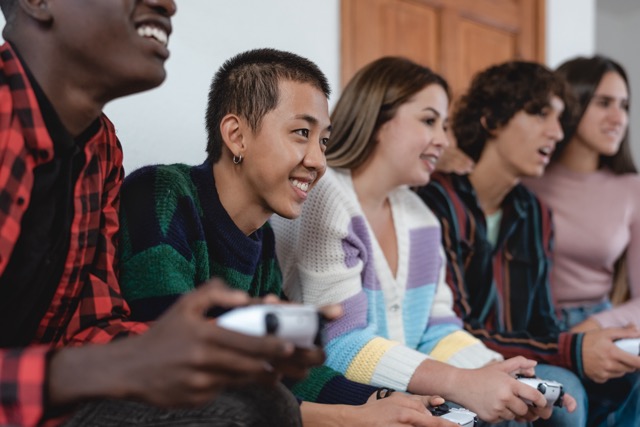
In the fast-paced world of competitive gaming, many enthusiasts find themselves at a crossroads when balancing their passion with a professional career. Juggling intense matches, practice sessions, and work responsibilities can be challenging. However, with the right strategies in place, you can maintain your competitive edge while excelling in your job. This article explores time management, setting boundaries, prioritizing health, and leveraging gaming skills to achieve harmony between gaming and your career.
Finding the Right Schedule: Time Management Tips
Effective time management is crucial for anyone trying to balance gaming and a professional career. Start by creating a detailed weekly schedule that allocates dedicated time slots for both gaming and work tasks. Utilize productivity techniques like the Pomodoro Technique, breaking your work into focused intervals followed by short breaks. This not only increases your efficiency at work but also ensures you have time to decompress and practice your gaming skills.
Another useful method is to prioritize your tasks using tools like the Eisenhower Matrix, which categorizes tasks into four quadrants based on urgency and importance. This approach helps you focus on what truly matters, allowing for more gaming time without sacrificing professional obligations. Additionally, consider using digital calendars or project management apps to keep track of important deadlines and gaming commitments, making it easier to visualize your week.
Lastly, remember to be flexible. Life can throw unexpected challenges your way, so be prepared to adjust your schedule as needed. Flexibility allows you to balance both worlds without feeling overwhelmed. By finding the right schedule that works for you, you can enjoy gaming while still climbing the career ladder.
Setting Boundaries: Gaming vs. Work Life
Establishing clear boundaries between gaming and work is essential for maintaining a healthy balance. One effective way to do this is by designating specific gaming times and sticking to them. For example, consider setting aside weekends or certain evenings for gaming practice and competition. This dedicated time allows you to immerse yourself in your passion without letting it spill into work hours.
It’s also important to communicate these boundaries with colleagues and friends. Let them know about your gaming schedule and the significance it holds for you. This transparency can foster understanding and respect for your time, helping them to support your dual commitments. In turn, this can alleviate any stress that comes from having to explain your gaming passion repeatedly.
Furthermore, be vigilant about work-life integration. While it’s vital to be dedicated to your job, make sure that gaming is treated as a legitimate part of your life. Avoiding the trap of overworking or letting work bleed into your gaming time can make a significant difference in achieving balance. Remember, it’s all about creating a healthy separation that allows you to excel in both domains without feeling guilty or pressured.
Prioritizing Your Health: Staying Fit and Focused
In competitive gaming, physical and mental health often takes a backseat. Yet, prioritizing your health is crucial for sustaining your performance in both gaming and your career. Start by incorporating regular exercise into your schedule; even a quick workout can boost energy levels and improve focus during gaming sessions. Consider activities like jogging, yoga, or even short workout videos that you can fit into your free time.
Nutrition also plays a vital role in staying sharp. Pay attention to your diet; fueling your body with the right foods can enhance concentration and stamina. Focus on a balanced diet rich in fruits, vegetables, lean protein, and whole grains. Staying hydrated is equally important; make it a habit to drink water throughout the day, especially before lengthy gaming sessions or demanding work periods.
Lastly, don’t underestimate the value of sleep. Quality rest is essential for cognitive function and reaction time in both gaming and professional settings. Aim for 7-9 hours of sleep each night, and consider establishing a calming bedtime routine to improve sleep quality. Prioritizing health will not only help you perform at your best both in the game and at work but will also enhance your overall quality of life.
Leveraging Skills: How Gaming Helps Your Career
Believe it or not, competitive gaming can actually equip you with valuable skills that are transferrable to your professional life. For instance, strategic thinking and problem-solving are critical in both gaming and many professions. The ability to quickly assess a situation and make informed decisions can set you apart in the workplace, especially in fast-paced environments.
Moreover, teamwork is often a crucial aspect of both gaming and many careers. Working with teammates to achieve a common goal in a game can improve your collaboration skills, making you a more effective team player at work. The communication skills you develop through gaming can also enhance your ability to articulate ideas clearly and work cohesively with colleagues, leading to better project outcomes.
Finally, the resilience you build in competitive environments is invaluable. Learning to bounce back from losses and adapt to changing conditions can foster a growth mindset, which is essential for career advancement. By recognizing and leveraging these skills, you not only continue to thrive in gaming but also enhance your professional life in meaningful ways.
Finding the right balance between competitive gaming and a professional career is no small feat, but it’s entirely achievable with the right strategies in place. By managing your time effectively, setting boundaries, prioritizing your health, and leveraging the skills gained from gaming, you can enjoy both worlds without feeling overwhelmed. So gear up, stay focused, and remember that both your passions and your career can coexist harmoniously—it’s all about balance!