




Cyberpunk, a genre that marries high-tech with low life, has seeped into various aspects of our culture since its inception in the 1980s. In the 21st century, its influence is more apparent than ever, shaping not only film and literature but also visuals in advertising, fashion, and digital design. This article dives into how the roots of cyberpunk aesthetics have evolved, its distinctive visual language, and its pervasive influence across diverse cultural domains today.
Exploring the Roots of Cyberpunk Aesthetics Today
Cyberpunk emerged in the 1980s as a countercultural response to the rapid technological advancements and socio-political upheavals of the time. It painted a dystopian picture where sprawling urban landscapes were infused with cutting-edge tech, often juxtaposed against themes of societal decay. Works like William Gibson’s "Neuromancer" and Ridley Scott’s "Blade Runner" set the groundwork, creating a unique aesthetic that highlights the contrast between man and machine. Fast forward to the 21st century, and these themes resonate more than ever, as we grapple with ongoing debates about privacy, surveillance, and the ethics of artificial intelligence.
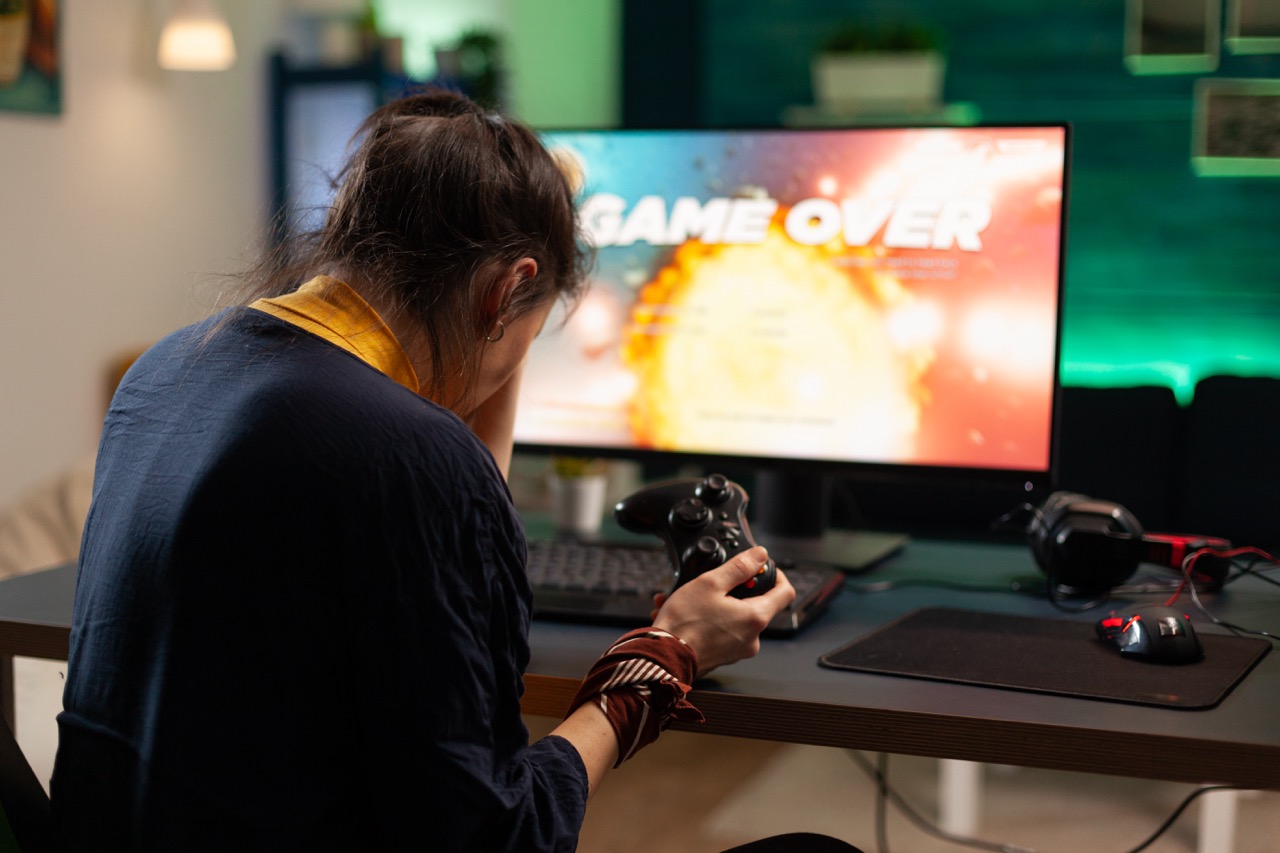
The resurgence of interest in cyberpunk can be attributed to a mixture of nostalgia and relevance, as contemporary audiences find themselves in increasingly complex, tech-driven realities. The rise of digital platforms has provided new avenues for storytelling, allowing creators to explore the genre’s aesthetic in fresh ways. Today, we see an influx of cyberpunk-inspired visuals in video games, where immersive worlds echo the sprawling dystopias of the past, and where players can navigate through hyper-connected cities filled with neon and artificial life.
Moreover, the aesthetic’s roots in punk culture—characterized by rebellion against the status quo—resonate strongly with today’s youth. With movements advocating for social justice and individual agency, cyberpunk’s ethos of questioning authority feels relevant. As we look around, it’s evident that the gritty, tech-saturated imagery of cyberpunk is woven into the fabric of modern visual culture, influencing everything from digital art to graphic novels.
Neon Lights and Grit: A Visual Language Revolution
If there’s one defining characteristic of cyberpunk aesthetics, it’s the striking use of neon lights against gritty urban backdrops. This distinct visual language has transformed how we perceive and interact with the world around us. Neon lights create an otherworldly glow that brings a sense of vibrancy to otherwise bleak environments. This contrast has inspired countless artists and designers to adopt similar techniques in their work, leading to a bold and colorful revolution in visual storytelling.
The combination of bright neon colors with dark, shadowy settings creates an emotional dissonance that captures the essence of modern life, reflecting both hope and despair. In advertising, brands have started to embrace neon aesthetics to attract attention and evoke a sense of futurism. Countless campaigns now feature neon-infused graphics and urban landscapes, appealing to young consumers who crave that edgy, high-tech vibe that cyberpunk represents.
In the realm of video games, this visual language thrives, offering players immersive experiences that transport them into vibrant cyberpunk worlds. Games such as "Cyberpunk 2077" and "Ghostrunner" exemplify this, immersing players in visually stunning environments filled with neon signage, rain-slicked streets, and towering skyscrapers. This aesthetic not only enhances gameplay but also draws players deeper into narratives that explore the complexities of technology and humanity.
From Film to Fashion: Cyberpunk’s Cultural Impact
Cyberpunk’s influence extends far beyond the screen; it has infiltrated the world of fashion in striking ways. Designers have begun to incorporate cyberpunk elements into their collections, often featuring bold, angular silhouettes, metallic fabrics, and vibrant colors reminiscent of the genre’s aesthetic. This trend has resonated particularly well with younger generations who are eager to express their identity through clothing that reflects their interests and values.
Fashion shows have become platforms for showcasing this fusion of technology and style. Many designers experiment with wearable tech and augmented reality, creating pieces that not only look futuristic but also incorporate cutting-edge technology. From LED-embedded garments to accessories that interact with digital environments, cyberpunk aesthetics have paved the way for innovative fashion that fuses digital and physical realms.
Moreover, the cultural impact of cyberpunk is evident in popular streetwear, which often draws inspiration from the genre’s visuals. Brands like A Bathing Ape and Off-White have embraced the gritty, urban aesthetic, creating pieces that resonate with a global audience. The enduring popularity of these styles serves as a testament to cyberpunk’s ability to remain relevant, continuously evolving while still staying true to its roots.
The Future is Now: Cyberpunk in Digital Design Trends
As technology advances at an unprecedented pace, the cyberpunk aesthetic has found a natural home in digital design. Graphic designers and digital artists are increasingly incorporating cyberpunk influences into their work, often creating visually striking pieces that blend traditional artistry with digital innovation. This trend is seen in user interface design, where sleek, futuristic elements are combined with vibrant colors and dynamic animations.
In the realm of social media, platforms like Instagram and TikTok have become fertile grounds for cyberpunk-inspired content. Creators are utilizing filters, visual effects, and augmented reality to craft cyberpunk visuals that transport viewers into otherworldly experiences. The pervasive nature of these platforms allows for cyberpunk aesthetics to reach a broad audience, inspiring a new wave of creators to experiment with this visually arresting style.
The rise of virtual reality (VR) and augmented reality (AR) technologies has further propelled the cyberpunk aesthetic into the spotlight. As these technologies evolve, they provide new opportunities for immersive storytelling that aligns perfectly with the genre’s themes. Future digital experiences are likely to continue blending cyberpunk elements, where users can navigate through virtual worlds that echo the neon-lit, dystopian environments we’ve come to associate with the genre.
In conclusion, the influence of cyberpunk aesthetics on 21st-century visuals is undeniable. From its roots in dystopian literature to its vibrant manifestations in fashion and digital design, cyberpunk continues to shape how we perceive technology and culture. As we navigate an increasingly complex landscape of innovation and societal challenges, the aesthetic remains a powerful lens through which we can explore the human experience. With its ability to adapt and evolve, cyberpunk will undoubtedly continue to inspire generations to come, sparking creativity and dialogue about the world we inhabit.