





GameFly has often been a nostalgic name for many gamers, evoking memories of the days when physical game rentals reigned supreme. However, as gaming technology has evolved and streaming services have taken over, the question arises: is GameFly a relic of the past or a potential harbinger of the future? This article will explore how GameFly integrates into today’s media consumption habits, evaluates the surge of subscription services, and considers its impact on gaming behaviors and social connections.
GameFly: A Blast from the Past or Future of Gaming?
GameFly first hit the scene in 2002, offering gamers a convenient way to rent video games by mail. It was revolutionary at the time, allowing players to try out a range of titles without the hefty price tag. Fast forward to today, and while the gaming landscape has undergone massive changes with the advent of digital downloads and cloud gaming, GameFly has held its ground. It offers a unique blend of nostalgia and practicality, appealing to those who cherish physical copies and the thrill of unboxing.
But is GameFly merely a nostalgic throwback? Not necessarily. The service has adapted over the years, incorporating a subscription model that allows users to rent multiple games at once. This avoids the pitfalls of digital ownership, such as the fear of losing access if a title is pulled from a digital storefront. As such, GameFly isn’t just clinging to the past; it’s finding ways to remain relevant in a world that increasingly favors instant access and cloud gaming.
Moreover, GameFly’s focus on physical games can be seen as a counterpoint to the ephemeral nature of digital media. Many players still prefer owning a tangible copy of their favorite games, and GameFly caters to this demographic perfectly. So, while it may feel like a blast from the past, it also shows promise as a unique player in the future of gaming.
How GameFly Fits Into Today’s Streaming Landscape
In an era dominated by Netflix and Spotify, where content is available at the click of a button, GameFly’s model may seem a bit antiquated. However, the service has found ways to coexist with these giants. For instance, GameFly’s rental model allows users to discover games in a way that mirrors how we explore movies and music on streaming platforms. This trial-before-you-buy approach aligns well with the behavior of today’s consumers, who often prefer sampling before committing.
Furthermore, GameFly’s library encompasses a wide range of titles, including indie gems that might not be available on mainstream platforms. This broad selection allows players to explore niche genres and experimental games, much like how a Netflix subscriber might stumble upon an indie film. In this sense, GameFly serves as a valuable resource for gamers looking to diversify their gaming portfolio in a landscape that often prioritizes blockbuster titles.
Additionally, the integration of GameFly into the streaming conversation highlights a unique blend of media consumption habits. Gamers can now consider their options through a subscription lens, much like how they weigh their choices among various streaming services. GameFly fosters a sense of discovery that aligns with modern consumer habits, proving that there’s still room for physical rentals in a digital-centric world.
The Rise of Subscription Services in Media Consumption
The subscription model has exploded over the last decade, revolutionizing how we consume various forms of media. From music to movies, and now games, consumers are opting for the convenience and variety that subscriptions provide. GameFly has embraced this trend, allowing gamers to rent multiple titles for a flat monthly fee, a model that resonates well with today’s subscription-savvy audience.
This shift has also influenced how developers create and distribute games. With the pressure to attract subscribers, many companies are starting to offer games that encourage short-term engagement rather than long-term commitment. This has led to the rise of “games as a service,” which fits seamlessly into the subscription model. GameFly allows players to experience these evolving titles without the hefty upfront costs, making it a smart choice for budget-conscious gamers.
Moreover, as competition heats up among subscription services, GameFly’s unique take on gaming rentals solidifies its place in the market. Their approach not only gives gamers access to a vast library but also encourages the exploration of titles they might have overlooked otherwise. This trend is indicative of a broader cultural shift toward a sharing economy, where access is more valuable than ownership, and GameFly is at the forefront of this movement in the gaming world.
GameFly’s Impact on Gaming Habits and Social Connections
GameFly has played a crucial role in shaping how gamers approach their favorite pastime. The ability to rent games has led to a more exploratory mindset. Gamers are more likely to experiment with genres they might not have considered before, leading to a more diverse gaming experience. This freedom to try before purchasing helps cultivate a community that values discovery and shared experiences over mere ownership.
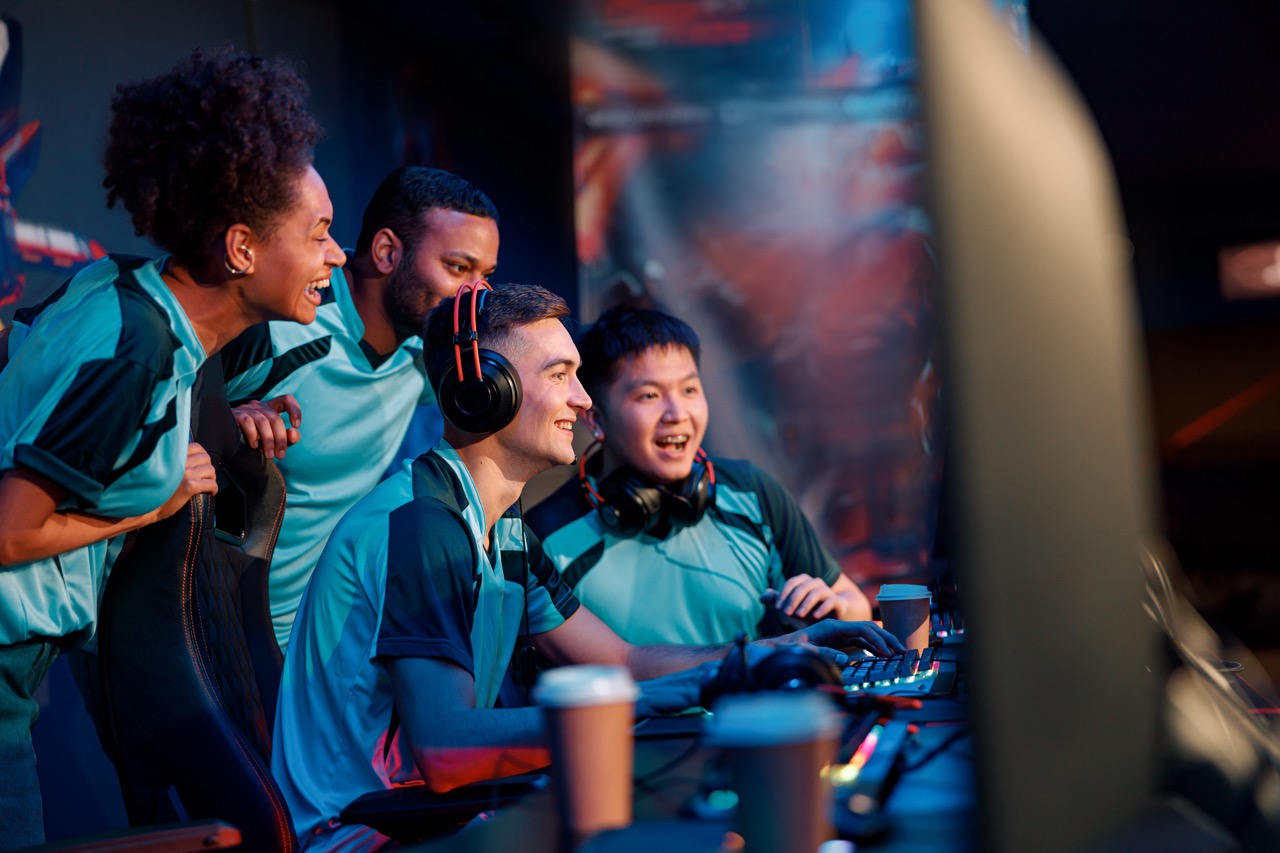
Additionally, GameFly fosters social connections among players. As friends share their GameFly experiences—whether through recommendations or discussions about titles they’ve played—it creates a communal aspect akin to a book club but for games. This social interaction can enhance the overall gaming experience, as players feel more engaged and connected to their peers. It’s not just about playing games; it’s about sharing those experiences with others, creating a rich tapestry of collective memories.
Furthermore, the social dynamics surrounding GameFly reflect a shift in how we perceive gaming. As more people engage with games through subscriptions, it fosters a culture of inclusivity. Players from various backgrounds can come together to share their insights, tips, and favorite titles, contributing to a vibrant community that values collaboration and discovery. GameFly’s platform remains a pivotal player in this evolving landscape, providing not just games but a social framework that enhances gaming culture.
GameFly may have started as a simple mail-order rental service, but its evolution reflects broader changes in media consumption habits. By integrating into today’s streaming landscape and embracing the rise of subscription services, GameFly remains relevant in a fast-paced digital world. Its impact on gaming habits and social connections underscores that while technology changes, our desire for shared experiences and exploration in gaming remains timeless. Whether you see it as a blast from the past or a portal to the future, GameFly continues to play a unique role in the gaming landscape.