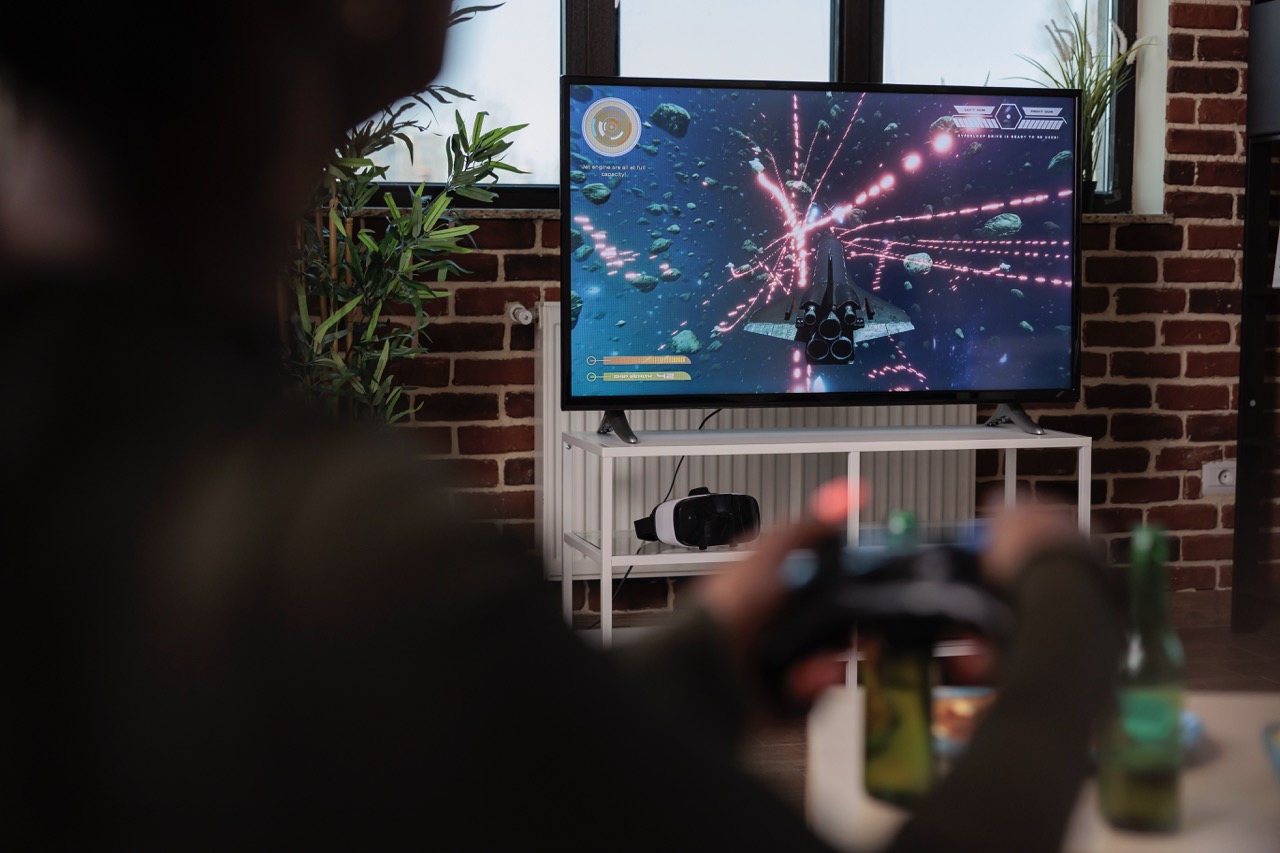






In the ever-evolving world of gaming, the way we approach purchasing titles has seen a significant transformation. GameFly, a subscription-based game rental service, has played a pivotal role in shaping a culture where gamers can try before they buy. With an expansive library and convenience at its core, GameFly not only changed the way we acquire games but also influenced how titles are perceived and discussed within the community. Let’s dive into how GameFly has become synonymous with this revolutionary concept.
Discovering GameFly: The Subscription Game-Changer
When GameFly launched in 2002, it introduced a refreshing alternative to traditional game purchasing. Gamers could sign up for a subscription and rent games by mail, which eliminated the risk of investing in a title that might not meet their expectations. This model was revolutionary; it allowed players to experience a game fully before committing their hard-earned money. With an extensive library covering various platforms, GameFly appealed not just to casual gamers but also to hardcore enthusiasts looking to explore the latest releases without breaking the bank.
The ease of the subscription model meant that gamers no longer needed to rush their decision-making process. Instead of spending hours sifting through reviews and demos, they could simply add games to their queue and receive them directly at home. This convenience made it easy to try out several titles in a short span, fostering a culture where experimentation with different genres and styles became the norm rather than the exception.
GameFly also tapped into the rising trend of digital consumption, which ultimately paved the way for similar services. Its success demonstrated that a rental model could flourish in a market that was predominantly focused on ownership. As gamers became accustomed to this new way of accessing titles, it set the stage for other platforms and services to follow suit, influencing a wave of digital rental and subscription services across the industry.
How Renting Games Became the New Normal
As GameFly grew in popularity, the concept of renting games morphed into a mainstream approach to gaming. Gamers began to see rentals not just as a way to save money, but as a means to make informed decisions about their purchases. No longer did players have to rely solely on trailers or promotional material; they could dive into the gameplay and assess whether a title was worth the investment. This shift fundamentally changed the purchasing landscape, making it more player-centric and less about marketing hype.
The idea of renting also aligned beautifully with the rise of indie games and lesser-known titles that might not have received the same spotlight as blockbuster releases. Gamers found themselves more open to exploring a diverse array of games, leading to increased engagement across various genres. The community began to embrace the notion that trying something new could lead to unexpected favorites, further reinforcing the idea that renting was a valuable alternative to outright purchases.
Moreover, the rise of online multiplayer and constant updates made the traditional model of buying games feel outdated for many. As players searched for ways to get the most out of their gaming experience, renting became a practical solution that allowed for flexibility and exploration without commitment. This not only benefitted gamers but also developers and publishers, as they saw an increase in player engagement with their games, fostering a more vibrant and dynamic gaming ecosystem.
Real Players, Real Reviews: Community Insights Matter
A key aspect of GameFly’s success lies in the strong sense of community it fostered among gamers. The ability to rent games provided opportunities for players to share opinions and insights on their experiences. This encouraged a culture of collaboration and dialogue, where players could discuss their thoughts and provide reviews that helped others make informed decisions. For many, online forums and social media became buzzing hubs of conversation where shared experiences shaped opinions and purchasing choices.
This community feedback loop further enhanced the concept of trying before buying. Players could learn from the experiences of others and discover hidden gems that may not have been on their radar. GameFly’s built-in rating and review system allowed users to voice their thoughts, making it easier for others to sift through the noise and find titles worth exploring. The collective wisdom of the community not only enriched individual gaming experiences but also influenced trends within the industry itself.
As word spread about certain games, titles that might have otherwise fallen under the radar gained traction through community endorsement. This organic promotion created a unique ecosystem where gaming choices were influenced by player experiences and feedback rather than just marketing forces. Gamers began to trust their peers more than advertisements, solidifying the community’s role in shaping the gaming landscape.
The Impact of Trying Before Buying on Gamers Today
The culture of trying before buying established by GameFly has had lasting effects on the gaming community. Today, many players prioritize experiences over ownership, often opting for rental and subscription services that allow them to explore multiple games without the financial burden of full-price purchases. This has led to an era where players feel empowered to take risks with new titles, knowing that they can easily backtrack if a game doesn’t resonate with them.
Furthermore, the notion of “trying before buying” has extended beyond just rentals. Many platforms now offer free demos, trials, or even limited-time access to full games, all echoing the principles that GameFly championed. This trend has made it easier for both indie developers and major studios to connect with players, as they can showcase their titles without requiring a financial commitment upfront. In essence, the industry has adapted to meet the demands of a more discerning audience that values experiences and informed choices.
Today’s gamers are more educated than ever, often relying on a plethora of resources—community reviews, gameplay footage, and trial versions—to guide their purchasing decisions. This shift has fostered a culture of accountability among developers, pushing them to deliver quality experiences. In a world where players can sample content before committing, the stakes have never been higher for studios. It’s a win-win situation: gamers get the opportunity to explore, and developers are incentivized to create engaging, high-quality titles.
In conclusion, GameFly’s influence on the gaming landscape is undeniable. By championing the mantra of trying before buying, it has reshaped how gamers approach their purchases and interact with the gaming community. The culture of exploration and experimentation continues to thrive, encouraging players to take chances on new titles and genres. As we move forward, the principles laid down by GameFly will undoubtedly continue to inform how we experience and enjoy games in an ever-expanding digital world.