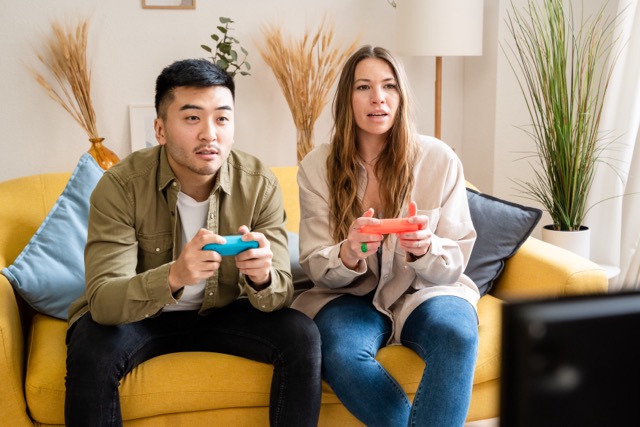






In the world of competitive gaming, the thrill of ranked play can be both exhilarating and demanding. As players strive for higher ranks and better performance, the pressure can lead to burnout—a state of emotional, physical, and mental exhaustion. Recognizing and addressing burnout is crucial to maintaining a healthy relationship with gaming and ensuring long-term enjoyment. In this article, we’ll explore how to identify burnout, understand its causes, prevent it, and recover if you find yourself in that dark place.
Recognizing the Signs of Burnout in Gaming Competitions
Burnout isn’t just about feeling tired; it manifests in various ways that can be all too easy to overlook. One of the first signs is a marked decrease in motivation. If you find yourself logging into your gaming account but lacking the enthusiasm you once had, that’s a red flag. Additionally, you might notice a drop in your performance—missing easy shots, making uncharacteristic mistakes, or just feeling “off” during matches can indicate that your mind is not in the game.
Another common symptom is irritability. If minor setbacks or losses start to frustrate you more than usual, it’s a sign that stress is accumulating. You may also begin to feel detached from the game itself, as if you’re going through the motions rather than truly engaging. This emotional numbness can cloud your enjoyment and make each session feel like a chore rather than a thrill.
Physical signs can be present too. If you’re experiencing headaches, fatigue, or even major sleep disturbances, your body might be signaling that it’s overwhelmed. When your gaming passion turns into a source of stress, recognizing these symptoms early can help you take proactive measures before burnout takes a firm hold.
Understanding the Causes: What Leads to Competitive Fatigue?
There are several factors contributing to burnout in competitive ranked play. One significant cause is the pressure to continuously improve and achieve higher ranks. Players often set lofty goals for themselves, leading to an intense focus on performance. While having goals is essential, the pressure can transform from motivating to debilitating, especially when progress slows or plateaus. This relentless pursuit can sap your enjoyment, making gaming feel less like a hobby and more like a job.
Another factor is the social dynamics of competitive play. Engaging with teammates or opponents can be emotionally taxing, especially if you’re facing toxicity or negative interactions. Gamers often invest a lot of emotional energy, and if that energy isn’t reciprocated positively, it can lead to feelings of isolation or disillusionment. The competitive atmosphere can sometimes breed negativity, pushing players further down the path of burnout.
Lastly, the sheer amount of time spent gaming can be a double-edged sword. While practice is vital for improvement, excessive play can lead to physical and mental fatigue. It’s important to maintain a balanced lifestyle, incorporating breaks and downtime to allow both your mind and body to recharge. Understanding these factors can provide insight into your own gaming habits and help prevent burnout before it occurs.
Tips to Prevent Burnout: Keeping Your Passion Alive
To keep the fire alive in your competitive gaming journey, setting realistic and achievable goals is crucial. Instead of aiming for a specific rank right away, focus on smaller milestones, like improving in particular aspects of your gameplay. This approach not only keeps your motivation high but also reduces the feeling of being overwhelmed. Celebrate small victories along the way; they help maintain a positive outlook and remind you of your progress.
Another effective strategy is to incorporate variety into your gaming routine. Playing the same game or mode repeatedly can lead to monotony. Mix things up by trying different games or engaging in casual play without the pressure of ranked competition. You might discover new interests or even enhance your skills in ways that positively impact your main game. This change of pace can rejuvenate your enthusiasm and keep you from feeling stale.
Lastly, prioritize self-care outside of gaming. Ensure you’re getting enough sleep, eating well, and engaging in physical activities. Taking breaks to pursue other hobbies or spend time with friends can provide a refreshing contrast to your gaming life. Balancing your time between gaming and other interests is key to keeping burnout at bay and ensuring that gaming remains a source of joy rather than stress.
Strategies for Recovery: Bouncing Back Stronger Than Ever
If you find yourself in the grip of burnout despite your best efforts, it’s essential to prioritize recovery. The first step is to take a break. This might mean taking a few days off or even a couple of weeks from the game. Use this time to step away from the screen and engage in activities that are fulfilling and enjoyable. Whether it’s hiking, reading, or hanging out with friends, giving yourself permission to unplug can facilitate much-needed healing.
During your break, reflect on your gaming experiences. Journal about what aspects of competitive play you love and what parts have become burdensome. Identifying these elements will help you reframe your approach when you return to gaming. Understanding your motivations can also serve as a powerful reminder of why you love gaming in the first place and help you avoid past pitfalls.
Finally, when you do return to ranked play, do so with a fresh mindset. Set boundaries for yourself regarding playtime and performance expectations. Engage in warm-up sessions to ease back into competitive matches and remind yourself that it’s okay to make mistakes. Embrace a growth mindset where each game is an opportunity to learn rather than just a score to achieve. By approaching gaming with this renewed perspective, you can bounce back stronger and more passionate than ever.
Burnout in competitive ranked play can be a frustrating experience, but by recognizing the signs, understanding the causes, and implementing effective prevention and recovery strategies, you can maintain a healthy and enjoyable gaming lifestyle. Remember, gaming should be fun and rewarding, so don’t hesitate to take a step back when needed. Your passion for gaming is a journey, and taking care of yourself is essential in making it a fulfilling one. Happy gaming!