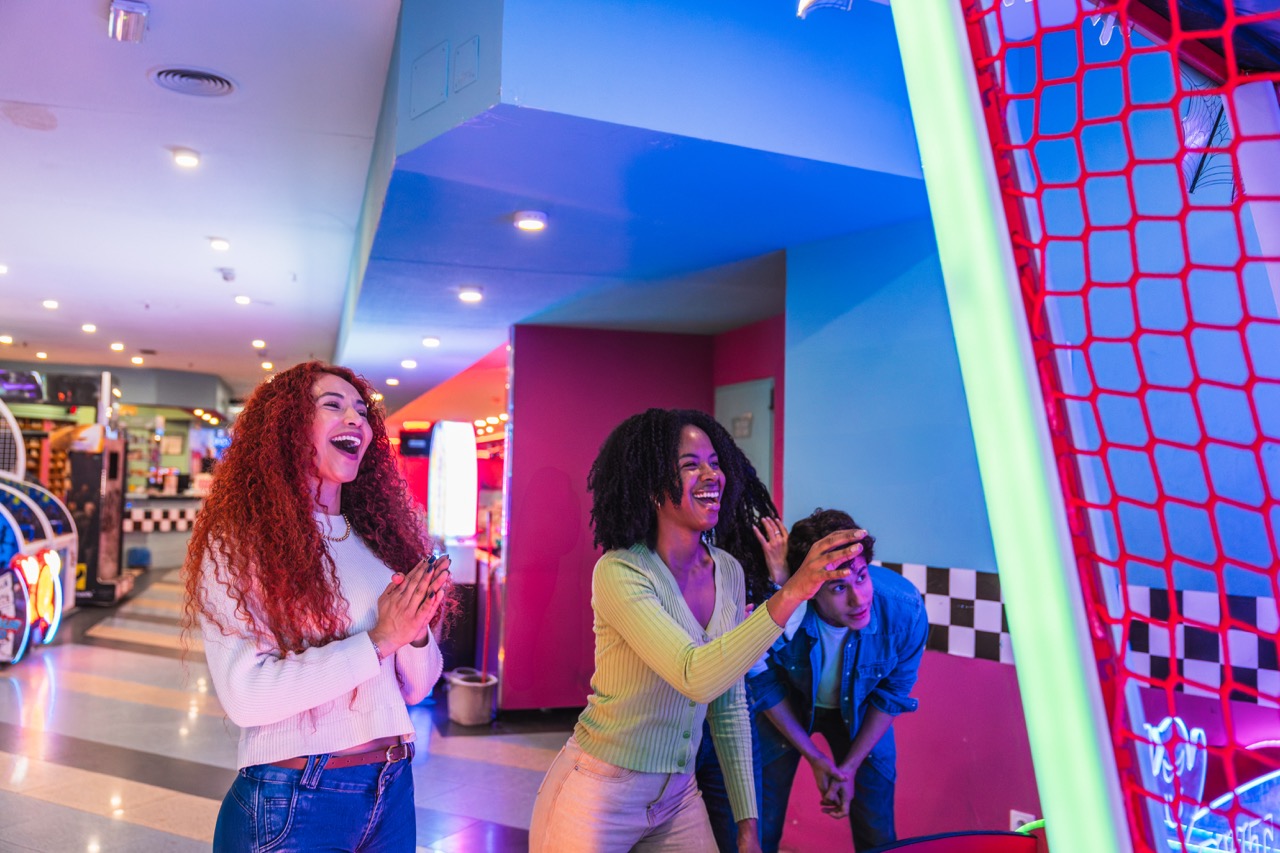






In recent years, esports has transitioned from a niche pastime into a global phenomenon, capturing the attention of millions and reshaping how young people identify themselves. With its increasing visibility and acceptance, esports has carved out a unique space within youth culture, influencing everything from social dynamics to personal values. This article will explore how esports shapes youth identity, the rise of gaming communities, the skills and values acquired by young gamers, and how these virtual arenas serve as platforms for social connection.
How Esports Shapes Youth Identity in Today’s World
Esports plays a crucial role in helping young people explore and express their identities. For many, the gaming world offers an alternative reality where they can be whoever they want to be, far removed from the pressures of day-to-day life. This virtual space allows for experimentation with different personas and interactions, empowering youth to find their footing in an ever-changing world. The avatar they choose, the team they support, and the games they play become integral components of who they are and how they see themselves.
Moreover, esports provides a sense of belonging that is incredibly valuable during formative years. For many young gamers, being part of a team or community can significantly bolster self-esteem and confidence. The excitement of cheering for a favorite team, celebrating victories, or even learning from losses brings a shared experience that strengthens identity. In a world where social media can often create feelings of isolation, esports communities offer camaraderie and support that teenagers may struggle to find elsewhere.
Finally, the growth of esports has also led to a burgeoning culture around gaming, impacting trends in fashion, music, and lifestyle. Young people increasingly adopt the aesthetics of their favorite games—be it clothing, accessories, or even lingo—creating a diverse tapestry of identity that weaves together multiple influences. As youngsters proudly showcase their love for esports, they’re not just embracing a hobby but actively participating in a cultural movement that shapes how they view themselves and their place in the world.
The Rise of Gaming Communities and Their Influence
Gaming communities have blossomed alongside the esports phenomenon, creating vibrant ecosystems where young people can connect. Platforms like Twitch, Discord, and Reddit have become hubs for discussion, collaboration, and competition. These spaces foster relationships that transcend geographical boundaries; friendships can be built through shared interests in specific games or teams, leading to a rich tapestry of interactions that often extends beyond the screen.
The influence of these communities is profound. They frequently set trends and norms, guiding how players engage with games and each other. For example, the etiquette around sportsmanship, teamwork, and even communication styles often emerges organically from within these groups. This shared culture encourages players to adopt similar values, impacting how they interact not just in-game but in real-life settings.
Additionally, gaming communities often act as platforms for social activism and awareness. Young gamers are increasingly using their voices and platforms to advocate for issues that resonate with them, from mental health awareness to diversity and inclusion. By aligning themselves with causes they care about, these young individuals are not just participants in a game; they’re shaping their identities as socially conscious members of society.
Skills and Values: What Young Gamers Are Learning
While gaming might seem like a leisurely pursuit, it’s also an avenue for acquiring valuable skills and life lessons. Strategic thinking and problem-solving are at the core of many competitive games, teaching players how to think quickly and adapt to changing circumstances. These cognitive skills can translate into real-world situations, where quick decision-making can be vital, be it in academics or future careers.
Collaboration is another essential skill honed through esports. Many games require teamwork to succeed, encouraging players to work together, communicate effectively, and support one another. These experiences can help instill values like empathy, patience, and resilience. Youths learn to accept defeat gracefully and celebrate their teammates’ successes, fostering a sense of community and shared achievement that can be incredibly rewarding.
Moreover, esports has a unique way of teaching young people about discipline and time management. Balancing gaming with schoolwork and other commitments requires planning, prioritizing, and sometimes even sacrifice. As they strive for improvement and success, young gamers learn the importance of setting goals and working diligently to achieve them—skills that are invaluable as they progress into adulthood.
Bridging Gaps: Esports as a Tool for Social Connection
Esports serves as a powerful tool for bridging social gaps, offering an inclusive environment where everyone can find common ground. Regardless of background, economic status, or geographic location, the gaming world welcomes players from all walks of life. This inclusivity fosters understanding and appreciation for diverse perspectives, breaking down barriers that often exist in traditional social settings.
The virtual nature of esports also means that friendships can flourish in an online environment, eliminating the constraints of physical proximity. For many young individuals, especially those who may struggle with social anxiety or find it hard to fit in, gaming communities provide a safe space to connect and form meaningful relationships. The shared passion for gaming can lead to genuine friendships that extend beyond the screen, with many gamers forming bonds that last a lifetime.
Furthermore, esports events and tournaments, whether in-person or streamed online, create opportunities for social interaction on a larger scale. These events not only bring people together but also generate excitement and a sense of belonging among fans and players alike. The communal experience of cheering for a team or celebrating a victory fosters connections that are hard to replicate in other forms of entertainment, making esports a valuable medium for social engagement.
In summary, the cultural impact of esports on youth identity is multifaceted and far-reaching. As it shapes how young people see themselves and interact with others, esports serves as a unique platform for personal growth and social connection. The rise of gaming communities fosters inclusivity and collaboration, while the skills and values learned through engagement with esports prepare young people for the challenges of adulthood. As we continue to witness the evolution of this phenomenon, it’s clear that esports will play an essential role in shaping the identities of future generations.