





Virtual reality (VR) has made significant strides in recent years, captivating audiences with its immersive experiences. One of the most crucial elements that enhances this immersion is haptic feedback. This technology, which provides tactile sensations through vibrations or forces, plays a pivotal role in bridging the gap between the digital and physical worlds. Let’s dive into the impact of haptic feedback on VR immersion and explore why it matters, how it enhances our virtual experiences, and what the future holds for this exciting technology.
Why Haptic Feedback Matters in Virtual Reality Experiences
Haptic feedback is all about touch, baby! While visual and auditory elements can create stunning environments, the addition of tactile sensations takes immersion to a whole new level. When you feel a virtual object or the impact of an in-game action, it tricks your brain into perceiving that scenario as more real. This sensory congruence significantly enhances emotional engagement, making players more invested in their virtual experiences.
Imagine trying to swing a sword in a VR game without feeling the weight of the weapon or the resistance of hitting an enemy. Without haptic feedback, these actions can feel lackluster and unconvincing. The absence of tactile sensations can break immersion, making it harder for players to suspend disbelief. In short, haptic feedback is a key player in making virtual environments feel authentic and engaging.
Moreover, haptic technology can assist in communication and learning within VR. For instance, in training simulations, feeling the tools or equipment used in real life can reinforce muscle memory and improve skill retention. In essence, haptic feedback is not just a luxury; it’s becoming a necessity for creating meaningful and impactful VR experiences.
How Haptic Technology Enhances Your Virtual World Feel
So, how does haptic technology actually work its magic? It involves a combination of hardware and software that translates digital interactions into physical sensations. Devices like VR gloves, vests, and handheld controllers incorporate vibrating motors or other mechanisms to simulate touch. When you pick up a virtual object or engage in an action, these devices provide feedback that mimics the sensation of weight, texture, and resistance.
The integration of haptic feedback also allows for more nuanced interactions. For example, the feeling of raindrops hitting your skin or the subtle vibrations of footsteps on different surfaces can elevate the overall experience. This means that developers can create more complex environments, where the tiniest details matter. As you explore a virtual world, the tactile feedback reinforces the sense of presence, making it feel more like a second reality.
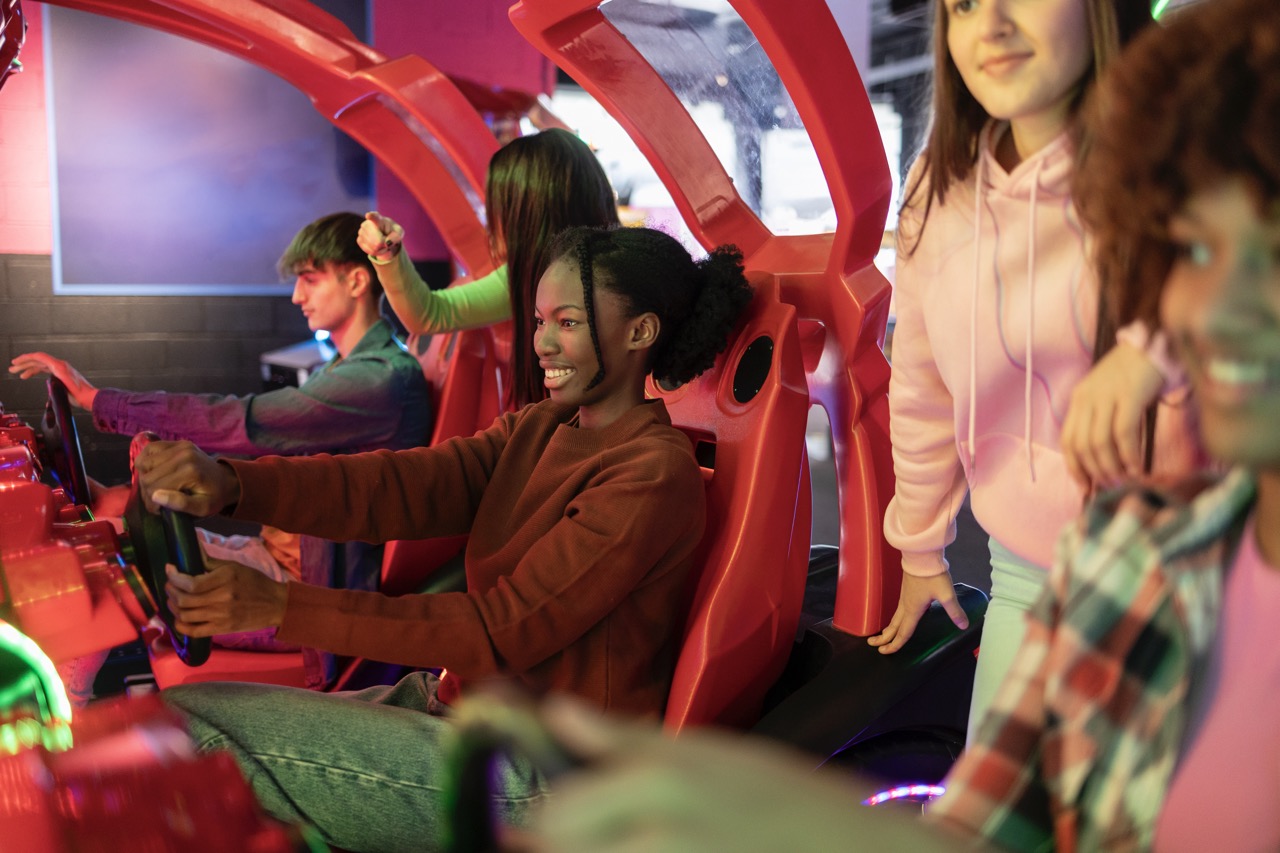
Furthermore, haptic feedback can enhance gameplay mechanics. Picture a racing game where you can feel the rumble of the road or the feedback of the steering wheel as you make sharp turns. This type of sensory enhancement not only makes gameplay more enjoyable but also improves performance, as players can rely on tactile cues to make split-second decisions.
Real-World Examples of Haptic Feedback in VR Games
Many developers have recognized the importance of haptic feedback and have incorporated it into their games. One notable example is "Beat Saber," a rhythm-based VR game where players slice through blocks to the beat of the music. The controllers vibrate with each slice, creating a satisfying tactile response that enhances the gaming experience and makes players feel more connected to the rhythm. The feedback not only boosts immersion but also provides players with a sense of achievement.
Another standout title is "Half-Life: Alyx," which has set a benchmark for haptic feedback in VR. The game incorporates a wide range of tactile sensations, from the subtle vibrations of picking up objects to the intense feedback of shooting a weapon. This variety of feedback allows players to feel the weight and impact of their actions, making every encounter feel more intense and engaging.
Lastly, the "Boneworks" VR game takes haptic feedback to a whole new level by providing realistic physics-based interactions. Players can feel the resistance of virtual objects, giving them a sense of agency as they manipulate their environment. This attention to detail in haptic feedback makes the game not just a fun experience but also a learning tool for understanding physics concepts.
The Future of Haptic Feedback: What to Expect Next
Looking ahead, the future of haptic feedback in VR is brimming with exciting possibilities. One major trend is the development of more advanced haptic suits and gloves that can provide even more intricate sensations, like temperature changes or the feeling of wind. Imagine feeling the rush of a virtual breeze on your skin or the warmth of a sunny day—all while in a completely different world!
Moreover, as technology progresses, we can expect haptic feedback to become more integrated into social and collaborative VR experiences. Picture attending a virtual concert or event where you can feel the vibrations of the music or the excitement of the crowd around you. This level of interactivity can transform how we connect with others in virtual spaces, making social interactions more engaging.
Lastly, the gaming industry isn’t the only sector that stands to benefit. Fields like education, healthcare, and even therapy are beginning to explore haptic feedback for training and rehabilitation purposes. As this technology evolves, the potential applications could revolutionize how we learn, train, and interact with the world around us.
In conclusion, haptic feedback is a game-changer for virtual reality experiences. By adding tactile sensations, it enhances immersion, elevates gameplay, and opens up new avenues for communication and learning. As we look toward the future, the possibilities seem limitless, with advancements that promise to make our virtual encounters even more engaging and profound. So, get ready to dive into worlds where you can not only see and hear but truly feel every moment!