





Tabletop role-playing games (TTRPGs) have long been a staple in the gaming community, offering immersive narratives and collaborative storytelling. But did you know that their influence extends far beyond the tabletop? In recent years, the mechanics and philosophies found in TTRPGs have begun to shape the digital gaming landscape in profound ways. From fostering creativity to enhancing player agency, the impact of tabletop RPGs on modern digital mechanics is both fascinating and transformative. Let’s dive into how these two worlds intersect and inspire one another.
How Tabletop RPGs Sparked Digital Gaming Innovations
The roots of many contemporary digital games can be traced back to TTRPGs. Games like Dungeons & Dragons (D&D) set the groundwork with their intricate mechanics, character development, and storytelling elements. Developers of digital RPGs have taken a page from the TTRPG handbook, borrowing concepts like character classes, skill trees, and multi-faceted narratives. These features not only enrich gameplay but also create a sense of belonging and community among players, mirroring the social dynamics found at the gaming table.
Moreover, tabletop games emphasize the importance of player choice and consequences, which has resonated with modern game developers. Picture a game where every action you take reverberates through the storyline—this concept is at the heart of many digital RPGs today. From the branching narratives of games like The Witcher to the moral dilemmas in BioWare titles, the influence of tabletop mechanics is unmistakable. Players are no longer just passive participants; they are active architects of their stories.
Lastly, the collaborative aspect of TTRPGs has inspired online multiplayer experiences. The concept of a group of players working together towards a common goal—be it slaying a dragon or solving a mystery—has become a cornerstone of not just RPGs, but various genres in digital gaming. By fostering teamwork through shared objectives and challenges, developers are creating experiences that resonate with the spirit of tabletop gameplay, making it essential to understand this lineage for anyone interested in game design.
From Dice to Code: The Evolution of Game Mechanics
Transitioning from tabletop to digital has fundamentally changed how game mechanics are implemented. In TTRPGs, rolling dice determines outcomes, often reflecting the unpredictability of life. However, in digital games, those mechanics are coded into algorithms, allowing for immediate feedback and results that streamline gameplay. This evolution has made games more accessible while maintaining the sense of chance that keeps players on their toes.
Another key evolution is the shift from physical character sheets to digital interfaces. While TTRPGs require manual tracking of stats and items, digital RPGs automate these processes, allowing players to focus on storytelling and strategy instead. Many modern RPGs offer dynamic interfaces that change in response to player actions, creating a fluid experience that captures the spirit of tabletop gaming while eliminating some of its logistical challenges.
Additionally, the need for balance in gameplay is more critical than ever in digital settings. Unlike tabletop RPGs, where a skilled Dungeon Master can adjust rules on the fly, digital games often face the challenge of maintaining fairness and competitiveness in a coded environment. This has led to the emergence of more sophisticated mechanics, such as real-time updates and AI-driven narrative branches, which continue to evolve as technology improves.
Role-Playing Elements: Bridging the Tabletop and Screen
Role-playing elements serve as the glue binding TTRPGs and their digital heirs. The focus on character development, emotional investment, and narrative immersion found in tabletop RPGs has become a blueprint for many digital games. Players can create complex characters, complete with intricate backstories and personal motivations, enhancing the overall experience. This emphasis on character depth has created a new wave of narrative-driven games that prioritize emotional storytelling.
Moreover, the evolution of character customization in digital RPGs mirrors the infinite possibilities available in TTRPGs. Players can now design their avatars with an unprecedented level of detail, from physical attributes to skill sets and abilities. This level of personalization not only reflects the individuality celebrated in tabletop games but also strengthens the bond between the player and their character, leading to a more immersive experience.
The incorporation of role-playing elements has also encouraged game developers to experiment with nonlinear storytelling and player-driven narratives. Many modern games allow players to make pivotal choices that affect the game’s outcome, similar to the way a Dungeon Master adapts the story based on player decisions. This kind of flexibility enhances replay value, reinforcing the idea that every playthrough can be a unique adventure.
Future Trends: What’s Next for RPG Mechanics in Gaming?
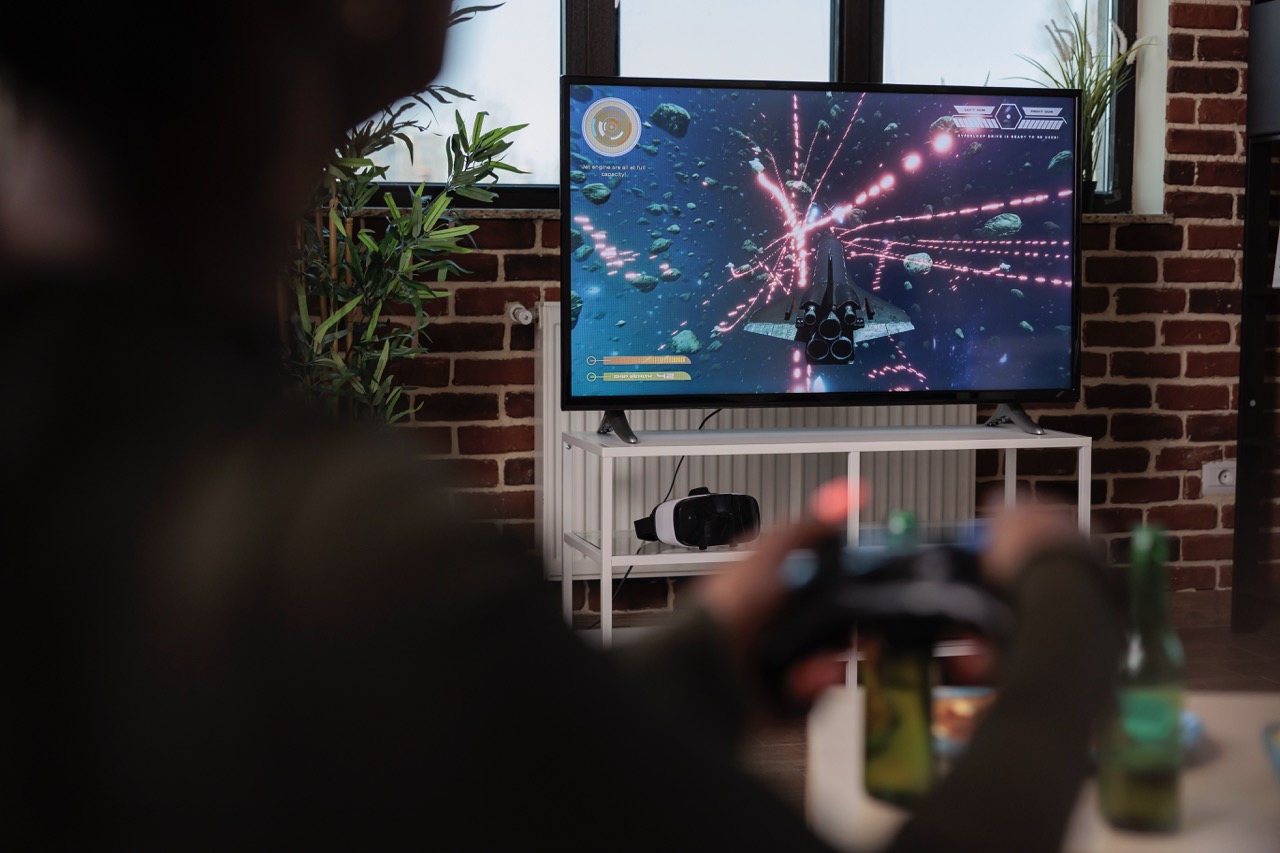
Looking ahead, the influence of TTRPGs on digital gaming mechanics shows no signs of slowing down. One exciting trend is the rise of hybrid games that seamlessly blend tabletop and digital experiences. With the advent of augmented reality (AR) and virtual reality (VR), we are beginning to see games that allow players to physically interact with the game world while still engaging in complex role-playing mechanics. Imagine rolling dice in your living room while navigating a VR dungeon—this could redefine the way we think about gaming.
Another trend is the increasing emphasis on community and player-generated content. Much like TTRPGs, where players craft their own stories and adventures, digital games are embracing the idea of user-generated content. Platforms that allow players to create and share their own quests, characters, and campaigns could lead to a new era of collaborative storytelling, where the player base becomes part of the narrative development process.
Finally, the rise of AI in gaming is poised to revolutionize RPG mechanics. As artificial intelligence technology advances, we can expect smarter NPCs (non-playable characters) that react dynamically to player choices, creating a more immersive and personalized gaming experience. This could bring back the unpredictability and excitement of a TTRPG session, where anything can happen based on player interactions, making the future of RPG mechanics incredibly exciting.
In conclusion, the influence of tabletop RPGs on modern digital mechanics is more than just a passing trend; it’s a rich tapestry woven from creativity, innovation, and collaboration. As digital games continue to evolve, they draw heavily from the foundational principles established in TTRPGs, ensuring that the spirit of role-playing will continue to thrive. Whether through character development, narrative depth, or community engagement, the bond between tabletop and digital gaming is set to grow even stronger in the coming years. So, grab your dice or your controller—adventure awaits in every form!