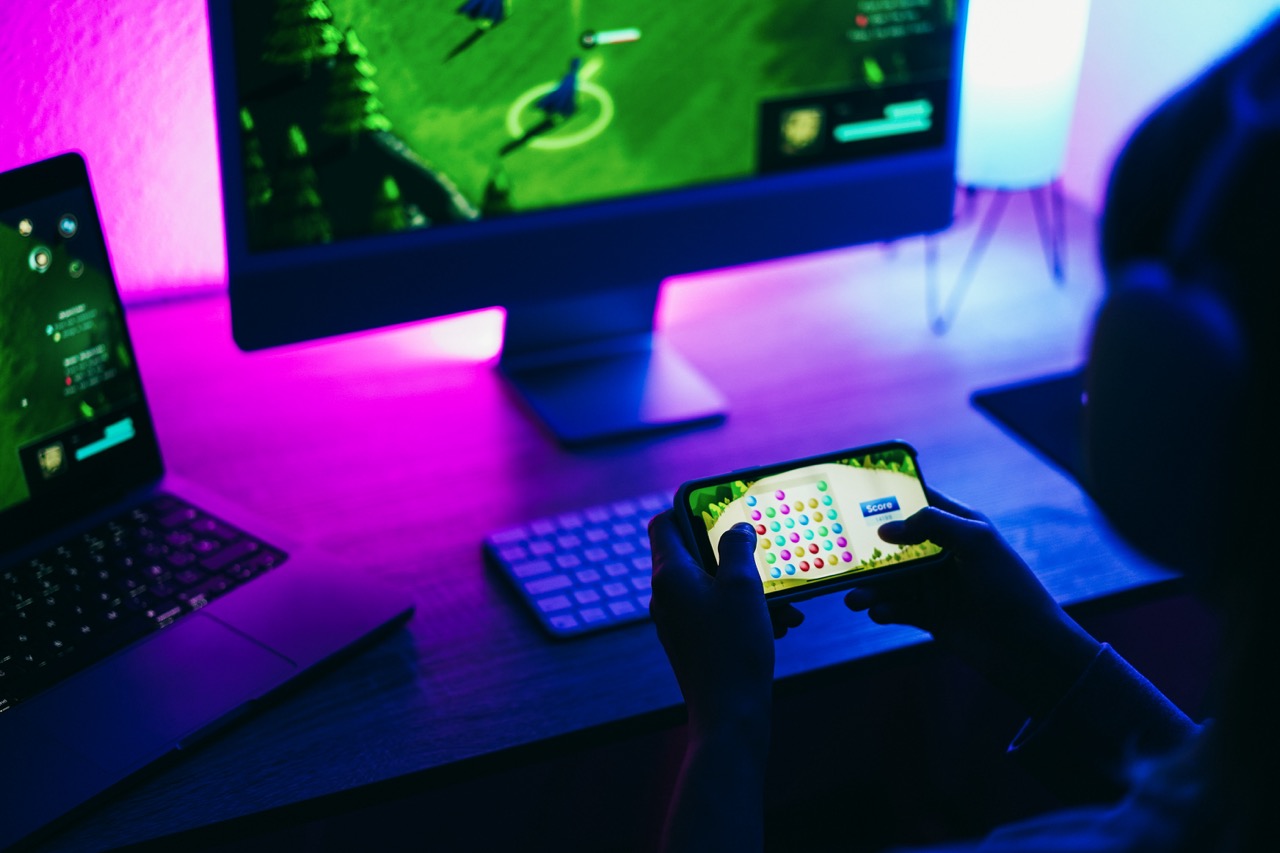






In recent years, the world of gaming has stepped into the spotlight for more than just entertainment. It’s being recognized for its therapeutic potential, particularly in mental health treatment. As the stigma around mental health continues to diminish, various unconventional approaches are gaining traction. Among them, video games are emerging as a unique tool in therapy, offering new avenues for healing and connection. Let’s dive into the fascinating intersection of gaming and mental health therapy.
Understanding the Connection Between Gaming and Therapy
Gaming has evolved from a simple pastime into a multifaceted medium that captivates players’ attention and emotions. This evolution has opened the door for therapists to harness its engaging elements to aid mental health recovery. The immersive nature of video games allows players to escape reality, providing a much-needed break from daily stresses. This escapism can lead to enhanced emotional regulation and improved coping strategies, making the therapeutic process more impactful.
Furthermore, games often incorporate problem-solving scenarios and challenges that can enhance cognitive flexibility. This adaptability is crucial in therapy, as it mirrors real-life situations where individuals need to assess, adapt, and respond to change. By framing therapy within a gaming context, therapists can make the therapeutic journey less daunting for clients, encouraging them to engage more openly with their emotions and experiences.
Finally, the social aspects of gaming cannot be overlooked. Many modern games foster community and connection, which can be particularly beneficial for individuals dealing with depression or anxiety. By providing a platform for social engagement, gaming can help combat isolation, allowing players to develop relationships that support their mental health journey.
How Video Games Can Boost Mental Health Recovery
Video games can serve as a form of cognitive therapy, offering a playful way to process emotions and experiences. Many games feature narratives that resonate with players, allowing them to explore their feelings in a safe environment. This exploration can lead to self-reflection, helping individuals understand their mental health challenges better. This unique form of narrative therapy can help players reframe their experiences, turning negative feelings into opportunities for growth.
Additionally, certain game mechanics, such as reward systems and incremental challenges, mirror therapeutic techniques like goal setting and positive reinforcement. When players achieve certain milestones in a game, it can boost their confidence and motivation. This sense of achievement can transfer to real-life situations, helping individuals tackle their personal challenges with renewed vigor and a sense of accomplishment.
Moreover, many therapeutic video games are designed to teach mindfulness and stress-relief techniques. By engaging players in calming activities or guided meditations, these games can help lower anxiety levels and improve overall emotional well-being. This integration of mindfulness principles into gameplay can foster healthier coping mechanisms, equipping players with tools to manage stress even outside the gaming context.
Popular Game Genres Used in Mental Health Treatment
Several genres of video games have emerged as particularly effective in mental health therapy. Role-playing games (RPGs) often allow players to take on characters and navigate complex scenarios, mirroring real-life challenges. This genre encourages empathy and perspective-taking, enabling players to better understand their emotions and those of others. Therapists often use RPGs to facilitate discussions about personal experiences and emotional responses.
Puzzle games also play a significant role in cognitive therapy. They challenge players to think critically and develop problem-solving skills, which are essential for managing anxiety and depression. These games can serve as a form of cognitive behavioral therapy (CBT), helping players to restructure negative thought patterns while engaging them in fun, interactive gameplay.
Lastly, interactive story-driven games have gained traction in therapeutic settings. These games often tackle heavy themes, allowing players to confront difficult emotions in a safe space. By experiencing these narratives, players can gain insights into their struggles, fostering a deeper understanding of their mental health. With their engaging storytelling and emotional depth, these games can be powerful tools in the therapeutic toolkit.
Success Stories: Gaming’s Impact on Real Lives
Real-life examples of gaming positively impacting mental health are becoming more prevalent. For instance, there are accounts of individuals with social anxiety finding solace in online multiplayer games. Through these platforms, they can interact with others in a controlled environment, building confidence and communication skills that translate into real-life interactions. This newfound confidence often leads to improved social relationships and a decreased sense of isolation.
Moreover, several people have shared stories of using narrative-driven games as a way to process trauma. For instance, players have found comfort in games that reflect their struggles, helping them confront and articulate their emotions in a more manageable way. This therapeutic reflection allows individuals to engage with their experiences from a distance, making it easier to navigate the complexities of healing.
Finally, there are numerous initiatives and programs incorporating gaming into therapeutic practices. For example, some mental health organizations have started offering gaming workshops, where participants can play together while discussing their experiences. These programs not only normalize conversations around mental health but also harness the power of gaming to create a supportive community for healing and growth.
The integration of gaming into mental health therapy is a promising development that showcases the potential of unconventional approaches in treatment. As we continue to explore the benefits of video games in therapy, we gain valuable insights into fostering connection, empathy, and resilience. With more success stories emerging and a growing body of research supporting these methods, it’s clear that gaming can play a significant role in modern mental health recovery. Whether through immersive narratives or community building, video games are redefining the landscape of therapeutic practices, proving that healing can be both effective and enjoyable.